

You've probably heard it before: Eat more vegetables, avoid sugar, choose healthier foods, and watch your portions.
And while these are helpful habits, here's something many women don't realize: Eating healthy doesn't always mean you're eating in a way that supports your hormonal health.
You can eat salads every day, choose low-calorie meals, avoid certain foods, and still find yourself struggling with fatigue, cravings, bloating, mood changes, or low energy.
Why?
Because your body needs more than just healthy food choices. It needs enough nourishment, the right combination of nutrients, and consistent eating habits that support its many functions.
Let's talk about what that really means and how you can start nourishing your body differently.
1. Healthy Eating Is Not Always the Same as Hormone-Supportive Eating
Eating healthy generally means choosing nutritious foods that support overall wellness. But when we talk about hormonal health, we also need to consider whether we're giving our bodies enough energy and nutrients to function properly.
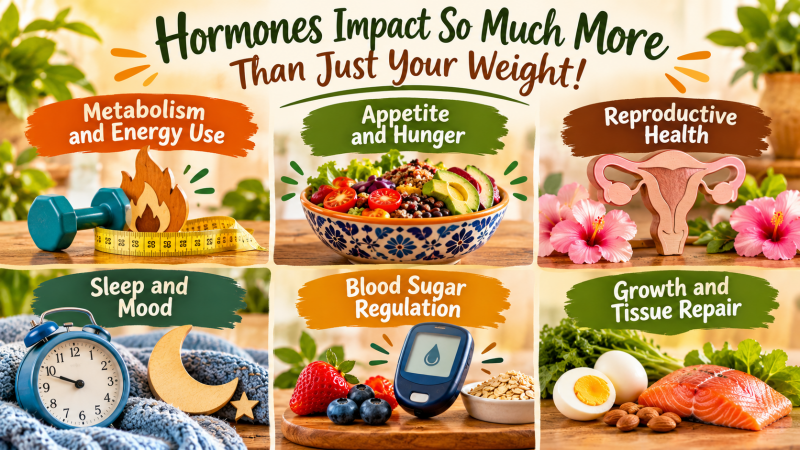
Hormones are chemical messengers that help regulate many important processes, including:
-
Metabolism and energy use
-
Appetite and hunger
-
Reproductive health
-
Sleep and mood
-
Blood sugar regulation
-
Growth and tissue repair
Your body relies on adequate nutrition to carry out these functions.
For example, eating a very small salad for lunch might seem like a healthy choice, but if it doesn't provide enough protein, carbohydrates, healthy fats, or overall energy, you may find yourself hungry and reaching for snacks shortly afterward.
The goal isn't simply to eat less or choose foods with fewer calories. It's to make sure your meals provide the nourishment your body needs.
2. Your Body Needs a Balance of Nutrients
One of the biggest mistakes women make when trying to eat healthier is focusing too much on eliminating foods instead of building balanced meals.
Your body needs a variety of nutrients, and each plays an important role.
Protein: More Than Just Building Muscle
Protein helps build and repair tissues and supports the production of enzymes and other important molecules.
Good sources include:
-
Eggs
-
Chicken
-
Fish
-
Greek yogurt
-
Beans
-
Lentils
-
Tofu
Including protein in your meals can also help you feel satisfied for longer.
Healthy Fats: Don't Be Afraid of Them
Healthy fats are essential for normal body functions, including cell health and the absorption of certain vitamins.
Try incorporating:
-
Avocados
-
Olive oil
-
Nuts
-
Chia seeds
-
Flaxseeds
-
Fatty fish
You don't need to eliminate fats to eat healthier. Your body needs them.
Fiber: Support Your Digestive and Metabolic Health
Fiber supports digestive health and can help slow the absorption of carbohydrates, supporting steadier blood sugar levels.
Enjoy foods such as:
-
Vegetables
-
Fruits
-
Oats
-
Beans
-
Lentils
-
Whole grains
-
Seeds
Quality Carbohydrates: Your Body Needs Energy
Carbohydrates are an important energy source. Choosing fiber-rich options can help make meals more satisfying and nutritious.
Examples include:
-
Brown rice
-
Sweet potatoes
-
Corn tortillas
-
Oatmeal
-
Beans
-
Fresh fruit
Remember, carbohydrates are not the enemy. The goal is to choose a variety of nourishing foods and create balanced meals.
3. Skipping Meals and Eating Too Little Can Work Against You
Many women believe that skipping breakfast, eating smaller portions, or cutting out entire food groups will help them reach their health goals faster.
But consistently undereating can leave your body without the energy and nutrients it needs.
Insufficient energy availability can affect reproductive hormone signaling, particularly when it becomes prolonged.
Instead of focusing on eating as little as possible, consider building a more consistent eating routine.
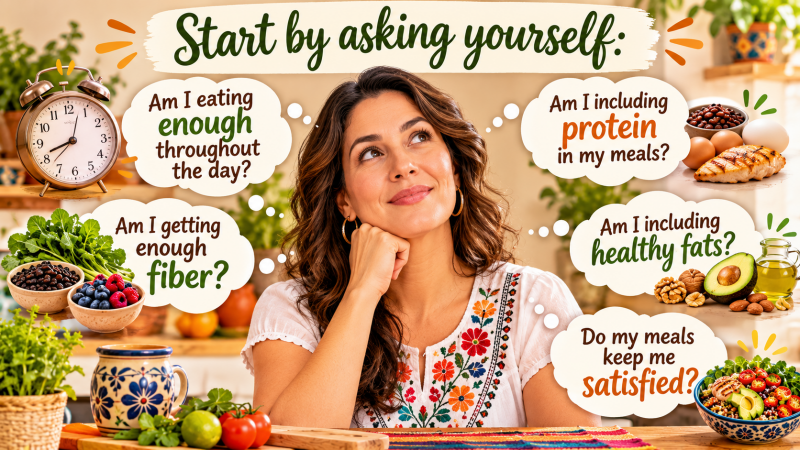
Start by asking yourself:
-
Am I eating enough throughout the day?
-
Am I including protein in my meals?
-
Am I getting enough fiber?
-
Am I including healthy fats?
-
Do my meals keep me satisfied?
Your body deserves nourishment, not punishment.
4. Blood Sugar Balance Matters
Blood sugar is another important part of the conversation about nutrition and hormonal health.
When you eat carbohydrates, your body breaks them down into glucose, which enters your bloodstream. Insulin helps your cells take up glucose for energy or storage.
Your food choices and overall meal patterns can influence how your blood sugar responds.
One practical way to build more balanced meals is to combine carbohydrates with protein, fiber, and healthy fats.
For example:
Instead of eating fruit alone, try pairing it with Greek yogurt or a handful of nuts.
Instead of having rice by itself, enjoy it with grilled chicken, vegetables, and avocado.
Instead of reaching for a sweet pastry for breakfast, try eggs, whole-grain toast, and fresh fruit.
These simple combinations can help make meals more satisfying and support a healthier overall eating pattern.

5. You Don't Have to Give Up Your Cultural Foods
Let's talk about something especially important.
Eating for your health does not mean giving up your favorite cultural foods.
You don't have to stop eating tortillas, rice, beans, homemade soups, or the traditional meals that bring your family together.
Your culture and food traditions can absolutely be part of your wellness journey.
Instead of eliminating the foods you love, think about how you can make your meals more balanced.
Here are a few simple ideas
Rice: Pair your rice with grilled chicken, fish, beans, and vegetables.
Tortillas: Enjoy corn tortillas with eggs, avocado, beans, or lean protein.
Beans: Keep them on your plate! Beans provide fiber, plant-based protein, and important nutrients.
Traditional soups: Add plenty of vegetables and a source of protein to make them more nourishing.
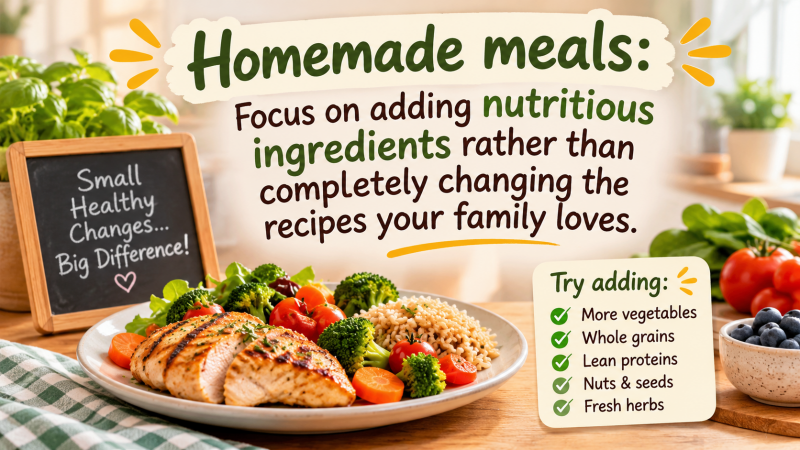
Homemade meals: Focus on adding nutritious ingredients rather than completely changing the recipes your family loves.
Healthy living should fit into your life, not take away the foods and traditions that make it meaningful.
6. Your Hormonal Health Is About More Than Food
Nutrition plays an important role in overall health, but it isn't the only factor that influences your hormones.
Other important parts of your wellness routine include:
-
Sleep: Consistent, quality sleep supports many hormonal and metabolic processes.
-
Movement: Regular physical activity supports metabolic health, cardiovascular health, and overall well-being.
-
Stress management: Ongoing stress can influence hormonal signaling and affect how you feel.
-
Consistency: Sustainable habits are more valuable than following extreme plans that are difficult to maintain.
It's also important to remember that persistent fatigue, irregular periods, significant unexplained weight changes, or ongoing symptoms deserve medical attention. Nutrition can support your health, but it cannot replace medical evaluation or treatment for hormonal conditions.
7. Start Nourishing Your Body Differently
You don't need to change everything overnight.
Small, consistent changes can help you build a healthier relationship with food and create habits that support your long-term wellness.
Here are five simple things you can start doing today:
-
Include a source of protein with each main meal.
-
Add more vegetables and fiber-rich foods to your plate.
-
Include healthy fats such as avocado, nuts, and seeds.
-
Avoid skipping meals or unnecessarily restricting your food intake.
-
Enjoy your favorite cultural foods while finding ways to make your meals more balanced.
And most importantly, stop thinking that healthy eating has to mean giving up everything you love.
Your wellness journey should be realistic, enjoyable, and sustainable.
How Rosie's Hormone Harmony Meal Plan Can Help
At Cultura y Salud Nutrition, we believe that wellness should honor your culture, your lifestyle, and your body's nutritional needs.
That's why Rosie created the Hormone Harmony Meal Plan: to help women make healthier food choices without feeling overwhelmed or restricted.
This culturally inspired meal plan focuses on balanced, family-friendly meals and practical nutrition guidance to help you build sustainable habits.
With the Hormone Harmony Meal Plan, you'll receive:
-
A complete 4-week meal plan.
-
28 delicious, culturally inspired recipes.
-
Grocery lists to make meal preparation easier.
-
A plate-building and portion guide.
-
Healthier swaps for your favorite foods.
-
Practical guidance for building balanced meals.
Whether you're looking to improve your eating habits, support your energy, or feel more confident about your food choices, you can start with simple steps that fit your everyday life.
You don't have to give up the foods you love to start feeling better.

Your body deserves more than another restrictive diet. It deserves balanced nutrition, consistency, and a plan that works with your lifestyle.
Let Rosie help you take the next step toward a healthier relationship with food.
Discover the Hormone Harmony Meal Plan today!
Visit: https://www.culturaysaludnutrition.com/
Or send us a message with the word HARMONY to learn more.
Cultura y Salud Nutrition
Nourish your hormones. Honor your culture. Restore your energy.
Rooted in culture. Guided by science.
Add comment
Comments