

Have you ever woken up tired, gone through your day feeling exhausted, and wondered why you have so little energy—even when you're trying your best to take care of yourself?
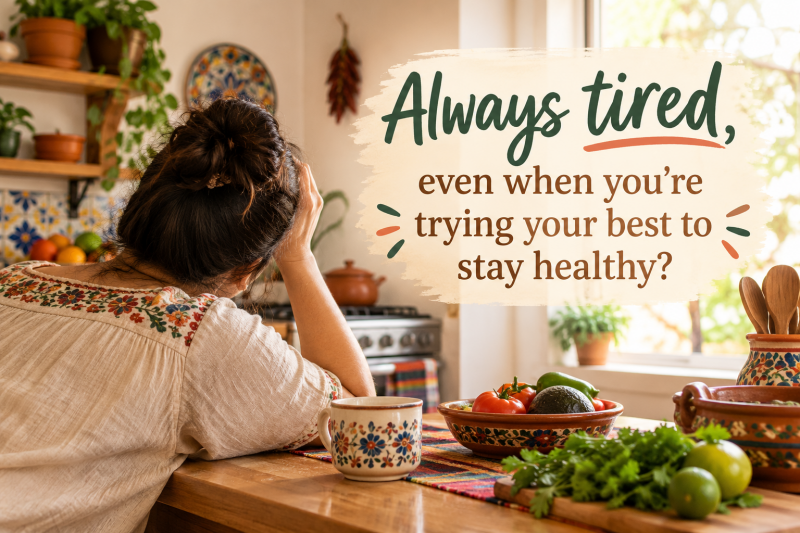
You are not alone.
Many women juggle work, family, responsibilities, and the needs of everyone around them. Somewhere along the way, taking care of themselves can become the last thing on their list.
But what if your daily habits are affecting how you feel more than you realize?
Feeling tired occasionally is normal. However, when fatigue becomes a regular part of your life, it may be time to pay attention to what your body is telling you.
At Cultura y Salud Nutrition, I believe that feeling better starts with understanding your body, nourishing yourself properly, and making realistic changes that fit your life.
Let's explore seven everyday habits that may be affecting your energy.
1. Skipping Meals or Not Eating Enough
When your day gets busy, it can be easy to skip breakfast, delay lunch, or grab whatever food is available.
But consistently eating too little can leave you feeling hungry, tired, and less able to concentrate.
Your body needs enough energy and nutrients to support your daily activities.
Try this: Build balanced meals that include protein, fiber-rich carbohydrates, healthy fats, and fruits or vegetables. Eggs, beans, oatmeal, yogurt, chicken, and whole-grain foods can all be part of a nourishing routine.
And remember, you don't need to give up your favorite traditional foods to eat well!
2. Not Drinking Enough Water
Sometimes, the simplest habits make a difference.
Not drinking enough fluids can contribute to dehydration, which may cause fatigue, headaches, and difficulty concentrating.
Try this: Keep water nearby throughout the day. Drink regularly, especially when you're active or spending time in hot weather.
You can also get fluids from foods such as watermelon, oranges, cucumbers, and soups.
Small steps can help you build a hydration routine that works for you.
3. Eating Too Many Foods That Are Low in Nutritional Value
Convenience foods can be helpful on busy days. The problem isn't enjoying them—it's when they regularly replace the variety of nutrients your body needs.
Meals that lack enough protein, fiber, or other essential nutrients may not keep you satisfied for long.
Try this: Instead of focusing on foods you need to eliminate, think about what you can add.
Add beans to your meal, include vegetables with your favorite dishes, or pair a snack with a source of protein.
Healthy eating doesn't have to mean complicated recipes or expensive ingredients. It can begin with the food you already have at home.
4. Getting Less Sleep Than Your Body Needs
You may be eating well and drinking enough water, but if you're consistently sleeping too little, you may still feel exhausted.
Most adults need around seven to nine hours of sleep each night, although individual needs vary.
Hormonal changes, stress, caregiving responsibilities, and inconsistent schedules can make restful sleep more difficult.
Try this: Establish a relaxing bedtime routine, keep your sleep schedule as consistent as possible, and reduce stimulating activities close to bedtime.
If you regularly snore loudly, wake up gasping, or remain exhausted despite getting enough sleep, speak with your healthcare professional.
5. Living in Constant Stress Mode
Women often carry a great deal of responsibility. Between work, family, household tasks, and emotional demands, it can feel as though there is always something else to do.
Ongoing stress can affect sleep, appetite, mood, and energy.
And sometimes, the exhaustion you feel isn't a sign that you're doing too little. It may be a sign that you've been doing too much without enough time to recover.
Try this: Give yourself permission to pause.
Take a short walk, practice slow breathing, spend time outdoors, or enjoy a few quiet minutes without feeling guilty.
Rest is not a reward you must earn. It's part of caring for yourself.
6. Depending on Sugar or Caffeine to Get Through the Day
When your energy drops in the afternoon, reaching for another coffee, an energy drink, or a sweet snack can feel like the easiest solution.
Caffeine may temporarily increase alertness, while sugary foods can provide quick energy. However, relying on them regularly may not address the underlying reasons you're tired.
Caffeine consumed later in the day can also interfere with sleep.
Try this: Start by looking at your overall routine. Are you eating enough? Drinking water? Getting adequate sleep?
Choose satisfying snacks, such as fruit with nuts, plain yogurt with berries, or whole-grain toast with peanut butter. You can still enjoy sweet foods without feeling that you have to eliminate them completely.
The goal is to build sustainable habits—not create another list of foods to fear.
7. Ignoring Changes in Your Body as You Get Older
Have you noticed changes in your energy, sleep, mood, or menstrual cycle as you've gotten older?
For some women, perimenopause and menopause can contribute to sleep disturbances and fatigue. But hormonal changes are only one possible explanation.
Low iron, thyroid problems, sleep disorders, medication effects, and other health conditions can also cause persistent tiredness.
Try this: Pay attention to patterns in your energy, sleep, menstrual cycle, and other symptoms. Share these changes with your healthcare professional rather than assuming that feeling exhausted is simply part of getting older.
You deserve to understand what's happening in your body and receive appropriate support.

How Nutrition Can Help You Support Your Energy
You don't need a perfect diet to begin taking better care of yourself.
Start with small, realistic habits:
-
Eat balanced meals. Include protein, fiber-rich carbohydrates, healthy fats, and a variety of fruits and vegetables.
-
Stay hydrated. Make drinking water a regular part of your day.
-
Plan ahead. Keep simple, nourishing snacks available for busy afternoons.
-
Prioritize rest. Give yourself opportunities to sleep and recover.
-
Honor your culture. Enjoy familiar foods and family recipes while finding ways to make meals more balanced.
-
Listen to your body. Notice persistent symptoms instead of ignoring them.
Remember, healthy eating isn't about giving up tortillas, rice, beans, or the foods that remind you of home. It's about learning how to nourish yourself in a way that feels good, sustainable, and right for your life.
A Gentle Reminder: You Deserve to Feel Your Best
As women, we can become so accustomed to putting everyone else first that we forget our own well-being matters, too.
But you don't have to wait until you're completely exhausted to start making changes.
You can begin with one balanced meal, an extra glass of water, a little more rest, or a conversation with your healthcare professional about how you've been feeling.
And if your fatigue is persistent, unexplained, worsening, or interfering with daily life, please seek medical evaluation. Severe or sudden fatigue accompanied by chest pain, difficulty breathing, fainting, or confusion requires urgent medical attention.
Your energy matters. Your health matters. And you matter.

Let's Take the Next Step Together
At Cultura y Salud Nutrition, my mission is to help women build healthier habits through practical, personalized nutrition guidance that respects their culture, lifestyle, and favorite foods.
You don't have to navigate your wellness journey alone. Together, we can explore realistic ways to nourish your body, create balanced meals, and build habits that support your goals.
Ready to take a more intentional approach to your health?
Visit Cultura y Salud Nutrition to explore our nutrition resources, personalized guidance, and wellness programs.
Rooted in culture. Guided by science. Focused on helping you feel your best.
Disclaimer: This article is for educational purposes only and is not a substitute for professional medical advice, diagnosis, or treatment.
Add comment
Comments